
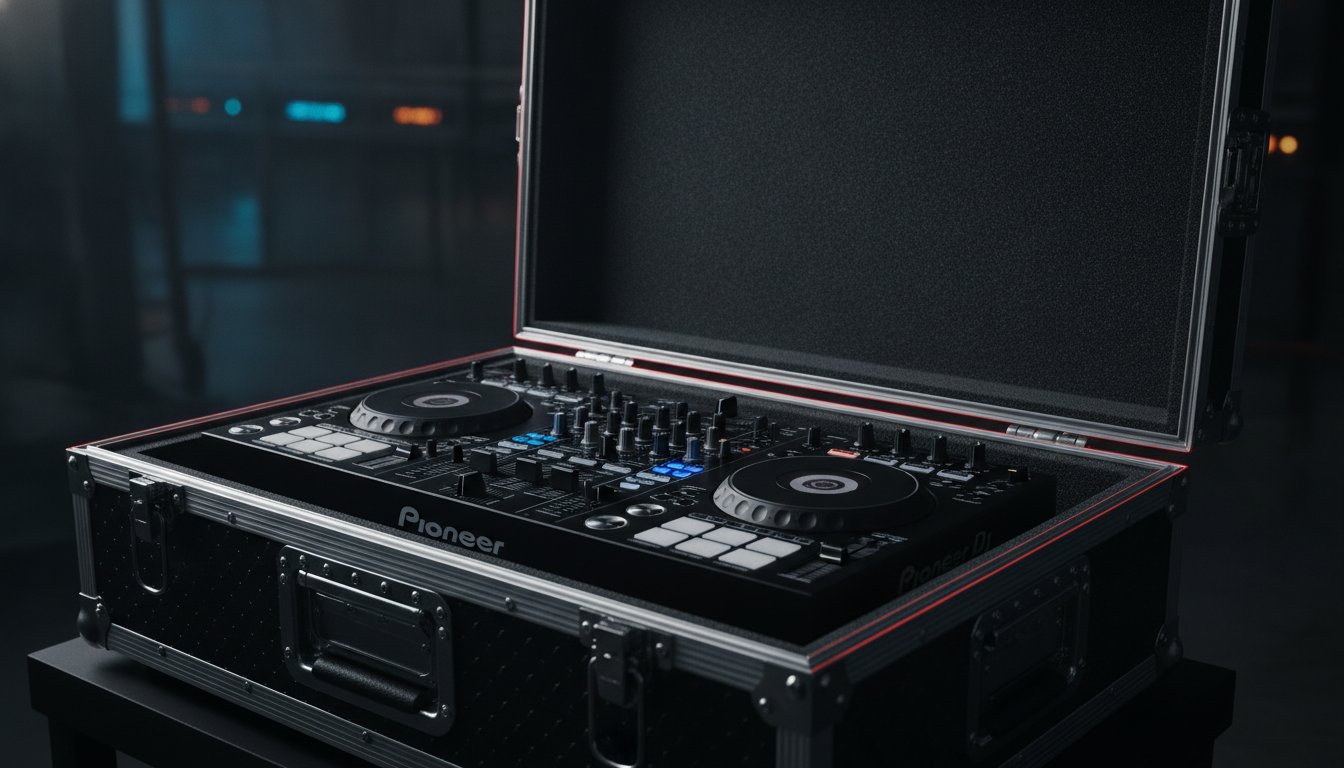
A single hairline fracture on a controller's motherboard can end a tour faster than a blown speaker, yet many professionals overlook the high-frequency vibrations that cause this internal fatigue. Learning how to transport DJ equipment safely is not merely about preventing surface scratches; it's about managing the mechanical stresses of a high-stakes production environment. You understand that your gear is a precision-engineered asset, and any downtime due to transit damage is an unacceptable risk to your professional reputation.
This guide masters the logistics of protective engineering to ensure your setup survives the rigors of modern transport. We'll detail the technical specifications of ATA 300 Category I standards, which require cases to withstand a minimum of 100 round-trip shipments. You'll also learn to mitigate moisture shocks and optimize your load-out using standardized TruckPaX™ dimensions for maximum cargo efficiency. This analysis provides the blueprint for a zero-failure logistics system that extends equipment lifespan and streamlines every breakdown.
Key Takeaways
- Identify the mechanical risks of transit, specifically how constant vibration impacts internal PCB solder joints and protruding control surfaces.
- Discover how to transport DJ equipment safely by selecting housing with 3/8-inch or 1/2-inch plywood baselines and CNC-cut high-density polyethylene inserts.
- Apply the "Heavy-Low-Centered" stacking rule to create a stable loading plan that prevents equipment from shifting in high-vibration environments.
- Manage environmental variables with specialized utility cases and desiccant packs to mitigate the risks of moisture and temperature fluctuations.
- Standardize your logistical workflow using TruckPaX™ dimensions to maximize cargo space and ensure consistent, professional-grade protection on every run.
The Physics of Equipment Failure: Identifying Transit Risks
Electronic failure in the field is rarely the result of a single catastrophic event. Instead, it's the cumulative effect of mechanical stress during transit. Understanding how to transport DJ equipment safely requires an engineering perspective on how kinetic energy interacts with delicate circuitry. When a vehicle moves, it generates constant low-frequency vibrations that transfer through the chassis of the equipment. These vibrations cause microscopic flexing in the Printed Circuit Boards (PCBs). Over time, this flexing leads to micro-fractures in solder joints, resulting in intermittent signal loss or total component failure.
Beyond internal circuitry, protruding control surfaces face the threat of shear force. Faders, encoders, and knobs are designed for vertical interaction but possess little resistance to lateral impact. A minor shift in an unsecured load can apply enough pressure to snap a fader stem or dislodge an encoder from its mounting. To mitigate these risks, industry professionals rely on the flight case as the primary line of defense. These enclosures are built to the ATA 300-style standard, which is a specification designed to ensure a case can withstand at least 100 round-trip shipments without compromising the integrity of the contents.
Vibration and Structural Integrity
Road vibrations act as a persistent stressor on mechanical assemblies. Without proper dampening, these oscillations can loosen internal ribbon cables and mounting screws. High-density polyethylene foam is the preferred material for energy absorption because it doesn't compress permanently under the weight of the gear. It acts as a mechanical low-pass filter, converting kinetic energy into negligible heat before it reaches the electronics. Mechanical resonance occurs when the frequency of external vibrations matches the natural frequency of the gear's internal components, potentially amplifying destructive oscillations. Utilizing ProX Cases with custom-cut foam ensures that the equipment remains isolated from these resonant frequencies.
Environmental Extremes in Logistics
Logistics involves more than physical movement; it includes managing atmospheric transitions. Moving equipment from a climate-controlled studio to a cold transport vehicle, and finally into a humid venue, creates a high risk of thermal shock. This temperature delta leads to internal condensation, which can short-circuit components upon power-up. Humidity also degrades the specialized lubricants found in crossfaders and motorized platters, attracting dust that acts as an abrasive.
Protective strategies must include an acclimatization period. Allow gear to sit in the venue's environment for at least 45 minutes before applying power. This allows internal temperatures to stabilize and moisture to evaporate. For outdoor festivals, sealed utility cases prevent dust ingress, which is essential for maintaining the conductivity of fader tracks and optical sensors.
Engineered Protection: Selecting the Right Protective Housing
The primary barrier between your electronics and the destructive forces of transit is the external shell. For industrial-grade protection, 3/8-inch or 1/2-inch plywood is the established baseline. These thicknesses provide the necessary structural rigidity to prevent the case walls from bowing under the weight of stacked gear. When evaluating how to transport DJ equipment safely, the exterior finish is equally critical. Honeycomb-laminated surfaces increase impact resistance by distributing the force of a strike across a wider surface area, which prevents localized punctures that could reach the internal components.
The internal material science is where many universal solutions fail. Generic open-cell foam is often too soft to provide adequate dampening; it compresses under load and loses its ability to absorb kinetic energy. Professional logistics require CNC-cut high-density polyethylene. This material is chemically inert and maintains its structural memory, ensuring that the equipment remains in a fixed position. Establishing a protocol for secure transportation of high-value electronics involves assessing both physical and logistical vulnerabilities, starting with the mechanical isolation provided by these high-density inserts.
Hardware specifications often dictate the lifespan of the enclosure. Recessed latches and spring-action handles are essential for logistics because they sit flush with the case surface, preventing them from being sheared off during loading. Heavy-duty steel ball corners reinforce the weakest points of the structure, allowing the case to absorb the energy of a drop. Professionals seeking a standardized baseline for their inventory should evaluate the specifications of ProX Cases to ensure their housing meets these industrial requirements.
Anatomy of a Professional Case
A professional enclosure is a system of integrated components designed for heavy-duty use. Industrial-grade casters are mandatory for workstations and large mixer consoles; they must feature high-load ratings and locking mechanisms to prevent movement within a vehicle. These casters allow for efficient movement across varied terrain during festival load-ins, reducing the physical strain on the crew and the equipment. The use of aluminum tongue-and-groove valances ensures a tight seal, which maintains the structural alignment of the lid and base over hundreds of deployments.
Custom Engineering vs. Universal Fits
While universal cases offer utility for standard controllers, high-value consoles often require ZCASE custom build cases. These bespoke solutions are engineered to the exact dimensions of the gear, eliminating any internal shifting. Proper engineering also accounts for thermal management. Custom setups for amplifiers and effects racks must include sufficient rack space for airflow to prevent heat soak during operation. A snug fit is the goal, but it must be balanced with the practical need for cable management and ventilation to ensure the long-term reliability of the system.
Mechanical Stability: Packing and Loading for High-Vibration Environments
Securing gear within a vehicle is a matter of applied physics. If enclosures aren't locked into a cohesive unit, they act as independent masses that amplify road vibration and increase the risk of collision-induced damage. A critical component of how to transport DJ equipment safely involves the "Heavy-Low-Centered" rule. This principle dictates that the densest items, such as stage truss base plate cases or subwoofer enclosures, must be placed at the floor level and centered between the axles. This lowers the vehicle's center of gravity and minimizes the lateral force exerted on the equipment during cornering and braking.
Standardization is the bedrock of professional logistics. When every enclosure shares a common dimensional ratio, you eliminate the "dead space" that allows gear to shift. In the industry, this is known as achieving a high truck pack density. By utilizing load bars and ratchet straps, you create a mechanical bond between the cargo and the vehicle's structural frame. This prevents the "domino effect," where one failed stack compromises the integrity of the entire load. Mechanical stability isn't just about preventing movement; it's about ensuring that the kinetic energy of the vehicle is distributed evenly across the most durable parts of your inventory.
Standardizing Your Inventory
Uniform case footprints simplify the complex calculations required for professional load-ins. When your cases are engineered with standardized exterior dimensions, they fit perfectly into 90-inch or 96-inch wide trailers. Utilizing TruckPaX™ Truck Pack Cases allows for predictable volume management, ensuring that every square inch of cargo space is utilized effectively. This precision reduces the number of straps required and speeds up the loading process. Additionally, a standardized labeling system on the exterior of cases facilitates rapid inventory tracking and ensures that heavy utility cases are never accidentally stacked on top of delicate electronics.
Loading Best Practices
Following a methodical loading sequence is essential for maintaining a zero-failure tour run. Each step ensures that the mechanical stability of the load remains intact throughout the journey.
- Step 1: Inspect all latches, hinges, and casters for structural integrity before the case enters the vehicle.
- Step 2: Position heavier utility and cable cases at the base of the stack to provide a solid foundation.
- Step 3: Lock all caster brakes and use wheel chocks for large workstations to prevent internal rolling.
- Step 4: Tension ratchet straps across the face of the stack. The goal is to prevent lateral movement without applying enough pressure to crush the plywood walls of the cases.
Implementing these protocols ensures that the equipment arrives at the venue in the same condition it left the warehouse. It's a professional standard that separates hobbyists from seasoned industry veterans who understand that the gig doesn't start at soundcheck; it starts at the loading dock.

Environmental Control and Theft Prevention Strategies
Atmospheric variables and security vulnerabilities represent the final tier of a comprehensive logistics strategy. While mechanical isolation protects against impact, environmental ingress can cause irreversible damage to internal circuitry over time. Learning how to transport DJ equipment safely requires a rigorous approach to watertight integrity and moisture management. For long-term storage or sea freight, desiccant packs are essential to absorb latent humidity that trapped air may contain. These silica gel inserts prevent the condensation that occurs during the thermal cycles gear experiences in transit.
Moisture and Dust Mitigation
Watertight utility cases utilize rubber gaskets and pressure equalization valves to maintain a stable internal microclimate. This is particularly critical for sensitive signal equipment used in broadcast environments where humidity can lead to corrosion on gold-plated connectors. You can explore specialized AV Broadcasting Cases designed to meet these rigorous environmental standards. Regular maintenance of these gaskets is mandatory; they must be inspected for cracks or debris that could compromise the seal. Applying a thin layer of silicone lubricant to the O-rings ensures they remain pliable and effective against dust ingress during outdoor festival deployments.
Security and Asset Tracking
Theft is a persistent logistical reality. High-value gear is often targeted during overnight transit stops or in unsecured loading docks. Professional theft prevention goes beyond simple padlocks. Discrete branding is a strategic choice; cases that don't explicitly advertise their contents are less likely to be targeted by opportunistic thieves. GPS tracking units should be integrated into hidden compartments within custom case builds. This provides real-time asset recovery capabilities that a standard latch cannot offer. The psychological deterrent of professional, standardized road cases also suggests a level of organizational oversight that discourages tampering.
Inventory management serves as a critical security layer for touring crews. Every case in a professional inventory should have a unique identifier linked to a digital manifest. This allows crew members to verify that the entire load is present during every load-out and load-in. A missing case is identified immediately, allowing for rapid response. For those seeking the highest level of environmental protection, the UltronX™ Watertight Cases provide a ruggedized solution for high-stakes deployments. Ensuring your gear is both environmentally sealed and digitally tracked is the only way to maintain a zero-failure operation.
View the full range of ProX Cases to secure your inventory against environmental and security risks.
Standardizing Your Professional Transport Workflow with ProX
Standardization is the final phase of mastering how to transport DJ equipment safely. It involves moving beyond individual protection and adopting a cohesive logistical system. ProX engineering focuses on the interoperability of components, ensuring that your cases, racks, and workstations function as a unified inventory. This systemic approach minimizes the variables that lead to equipment failure during high-pressure setup and breakdown windows. When every latch, caster, and internal foam insert operates within a standardized specification, the probability of human error or mechanical failure decreases significantly. Professional logistics require this level of predictability to ensure consistent performance across multiple tour dates.
The long-term ROI of industrial-grade protection is realized through the preservation of asset value. High-end hardware, such as Pioneer DJ controllers and mixer consoles, maintains a higher resale price when the chassis remains free of structural fatigue and cosmetic abrasions. Superior impact absorption doesn't just prevent total failure; it mitigates the cumulative vibration damage discussed in earlier sections. By utilizing ProX Cases Replacement Parts, professionals can maintain their inventory to original manufacturer specifications. This ability to service and repair enclosures extends the service life of the housing far beyond generic alternatives, reducing the total cost of ownership over the life of the gear.
The Long-Term Value of Professional Gear
Investing in ruggedized housing reduces the frequency of expensive bench repairs. When internal components are isolated from kinetic energy, the lifespan of faders and sensitive PCB solder joints increases. This reliability is essential for maintaining a professional reputation where technical downtime isn't an option. For a detailed analysis of current material standards and logistical requirements, read our Professional DJ Equipment Case Purchase Guide. Adhering to these 2026 standards ensures your inventory remains compatible with modern freight and airline baggage regulations, including the latest dimensional weight divisor changes.
Next Steps for Professional Producers
Transitioning to a professional logistical system begins with an audit of your current inventory. Identify any containers that lack 3/8-inch plywood baselines or high-density foam inserts, as these represent weak points in your transport chain. For high-value consoles that require bespoke dimensions, consider consulting with ProX for ZCASE custom build cases. These projects provide precision engineering tailored to your specific workflow. Joining the ProX professional network grants access to a global dealer infrastructure, ensuring you have logistical support and replacement parts available regardless of your tour location. This infrastructure is the backbone of a zero-failure production environment.
Securing Your Professional Logistical Infrastructure
Mastering how to transport DJ equipment safely requires moving beyond basic protection to a system of integrated mechanical stability. You've seen how high-density polyethylene foam and 1/2-inch plywood create a necessary barrier against the destructive road vibrations that lead to PCB failure. Standardizing your inventory with TruckPaX™ dimensions ensures predictable loading density and maximizes cargo efficiency on every run. Managing atmospheric variables with watertight seals and implementing digital asset tracking completes the transition from simple transit to a professional logistical operation.
ProX has been engineering performance gear since 1984, providing the structural backbone for major industry brands like Pioneer DJ and QSC. Our global dealer network ensures that touring professionals have access to maintenance and replacement parts wherever the production schedule leads. This commitment to functional excellence allows you to focus on performance while the hardware remains isolated from the physical demands of the road. It's time to treat your transport workflow with the same precision as your performance.
Browse the full ProX catalog for professional-grade protection and build a zero-failure future for your production inventory.
Frequently Asked Questions
Can I use the original manufacturer's box to transport DJ equipment safely?
Original manufacturer packaging is engineered for single-use logistical cycles from the factory to the consumer and lacks the structural integrity for repeated transit. These cardboard containers degrade quickly when exposed to humidity and provide zero protection against the shear forces encountered in a stacked truck pack. Professional logistics require transitioning to a hard-shell enclosure with a plywood baseline of at least 3/8-inch to ensure long-term mechanical stability.
How do I prevent my DJ controller's faders from snapping during transit?
Fader stems are highly vulnerable to lateral impact, which is why a snug internal fit is mandatory. Utilizing CNC-cut high-density polyethylene foam ensures that the control surface remains isolated from the case lid and walls. This specialized foam doesn't compress permanently under load, preventing the equipment from shifting and ensuring that no lateral pressure is applied to protruding knobs, encoders, or faders during high-vibration transit.
What is the difference between a standard case and an ATA 300-rated case?
A standard case often utilizes thinner materials and lighter hardware designed for light local transport rather than the rigors of global freight. In contrast, an ATA 300 Category I certified case is a technical benchmark requiring the enclosure to withstand a minimum of 100 round-trip shipments. This certification ensures the plywood, adhesives, and recessed hardware are engineered to survive the extreme mechanical stresses of airline and sea freight environments.
Is it safe to leave DJ equipment in a van overnight?
Leaving equipment in a vehicle overnight introduces unacceptable risks regarding theft and environmental degradation. Beyond the security vulnerabilities, the temperature delta between day and night leads to internal condensation on sensitive PCBs. When you move cold gear into a warm venue the next day, this moisture can cause immediate short circuits upon power-up, making climate-controlled storage a professional necessity for high-value assets.
How often should I inspect the foam and hardware of my transport cases?
Perform a comprehensive mechanical inspection of your transport inventory every 90 days or immediately following the conclusion of a tour. You should check for foam fatigue, which reduces kinetic energy absorption, and verify the tension of all recessed latches. If you identify structural wear, utilizing ProX Cases replacement parts allows you to restore the enclosure to its original protective specifications without replacing the entire unit.
What are the best practices for transporting vinyl records safely?
Vinyl records must always be transported in a vertical orientation to prevent warping caused by uneven pressure distribution. Use specialized utility cases with internal dividers to ensure the records remain upright and cannot lean, which leads to permanent structural deformation over time. Because vinyl has a low glass transition temperature, you must monitor the internal temperature of your transport vehicle to prevent heat-induced warping during long hauls.
How does temperature affect my DJ equipment during long hauls?
Extreme temperature fluctuations cause the thermal expansion and contraction of internal copper traces and solder joints. Understanding how to transport DJ equipment safely involves managing these atmospheric transitions by allowing gear to acclimate to the venue's ambient temperature for at least 45 minutes before applying power. This stabilization period is critical for allowing internal moisture to evaporate and preventing component failure due to thermal shock.
Should I use casters or carry my cases to minimize vibration?
Industrial-grade casters are the professional standard for moving heavy workstations because they facilitate efficient loading and reduce the risk of accidental drops. While rolling over uneven surfaces generates low-frequency vibration, the high-density foam inside the case is specifically engineered to dampen these oscillations before they reach the electronics. Carrying cases is often less stable and increases the likelihood of a high-impact fall, which is far more destructive than rolling vibration.
Disclaimer
Any trademarks, trade names or brand names appearing herein that do not belong to ProX are the property of their respective owners and/or companies, and such appearance doesn't and shall not constitute or imply endorsement, sponsorship or recommendation by ProX.


