
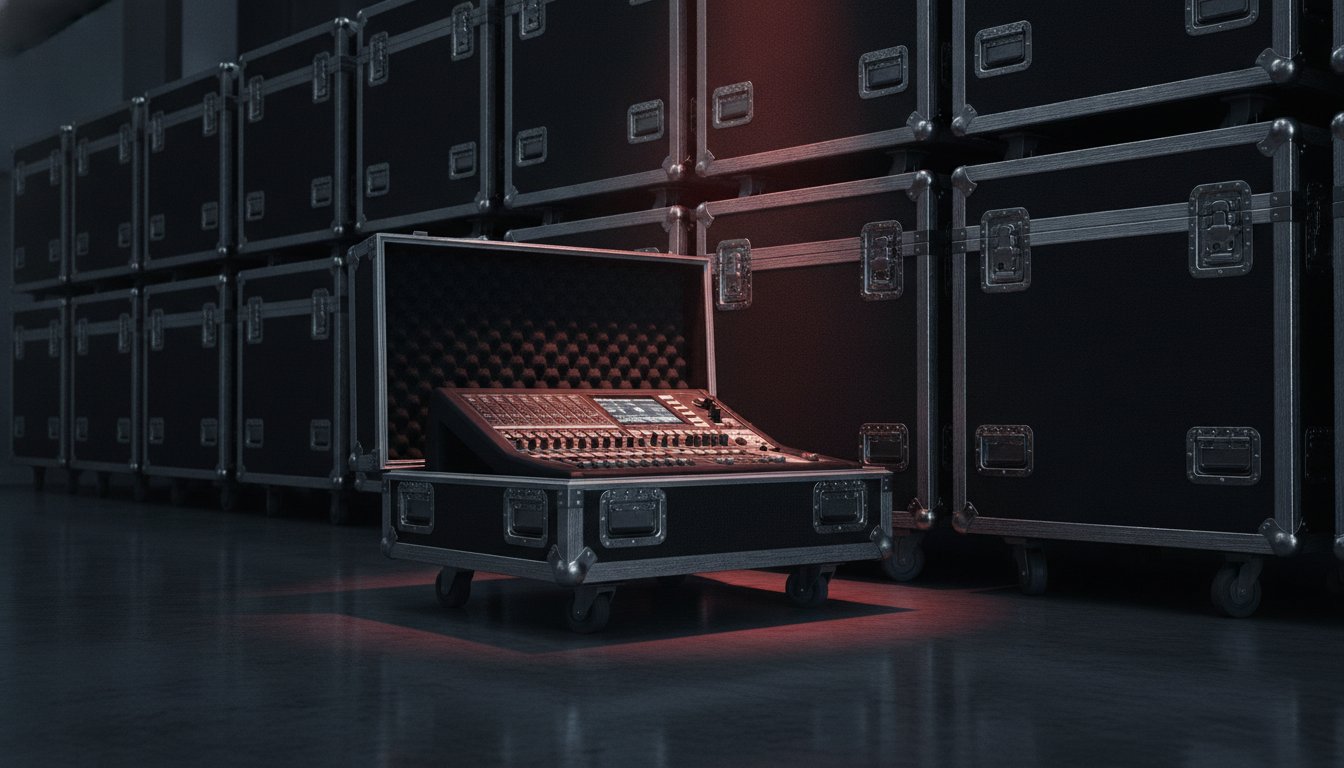
In the $35 billion global live music industry, your production's success depends entirely on the mechanical integrity of its most sensitive components. Selecting the right touring equipment protection solutions is a technical necessity to prevent equipment failure caused by vibration or impact during rigorous transit. You're likely aware that a single damaged mixer or lighting console leads to costly downtime and compromised performances. These failures often stem from enclosures that don't meet the specific mechanical demands of global logistics.
This guide provides the technical specifications needed to evaluate and select high-performance enclosures that safeguard high-value assets during global tours. We'll analyze the ATA 300 engineering standards for durability, methods for optimizing truck pack density using TruckPaX systems, and the structural benefits of specialized hardware like UltronX watertight cases. Understanding these engineering principles ensures your gear remains operational and your logistics stay efficient. By prioritizing functional excellence and structural precision, you can achieve zero equipment downtime and a superior long-term return on your hardware investment.
Key Takeaways
- Understand the technical distinctions of ATA 300 Category I standards to ensure your enclosures withstand the mechanical stress of over 100 international trips.
- Learn how standardized dimensions in TruckPaX cases optimize trailer density for 90" and 96" wide loads; this precision reduces overall logistics costs.
- Evaluate touring equipment protection solutions by analyzing G-force mitigation and impact absorption capabilities instead of focusing solely on outer shell aesthetics.
- Identify when to deploy Santosom precision-engineered cases or UltronX watertight solutions to safeguard sensitive electronics from extreme environmental conditions.
- Apply a professional buying framework that balances asset value against transit frequency to maximize the long-term return on your hardware investment.
Physical Integrity vs. Personnel Security: Defining Touring Equipment Protection Solutions
Industry professionals often conflate security with protection. While personnel security focuses on the safety of staff and talent, asset hardware protection addresses the physical survival of technical infrastructure. In a high-stakes production environment, the cost of equipment downtime is catastrophic. A damaged console or a fractured LED panel doesn't just represent a repair bill; it signifies a failure in the logistical chain that can halt a multi-million dollar performance. True touring equipment protection solutions aren't merely containers. They're mechanical enclosures engineered to manage the physics of transit.
A standard wooden box lacks the internal architecture to mitigate high-frequency vibrations and sudden shock. Professional protection requires a shipping container specifically designed to protect sensitive electronics from G-force spikes. These systems function as a sacrificial barrier, absorbing kinetic energy before it reaches the internal components. Without precise engineering, a case is just a weight addition that offers a false sense of security. Reliable enclosures utilize mechanical assembly techniques that ensure the external shell and internal suspension work in tandem to isolate the gear from external forces.
The Anatomy of Professional Asset Defense
High-performance cases utilize a combination of external rigidity and internal suspension. Manufacturers select shell materials based on the transit profile; 9mm or 12mm plywood offers structural stiffness, while high-impact polymers provide superior weight-to-strength ratios. Internal foam density is critical. It isn't just for cushioning. Correct foam selection provides thermoregulation and prevents the "bottoming out" effect during heavy impacts. Hardware components like zinc-plated steel ball corners and recessed butterfly latches ensure the enclosure remains intact under extreme shear stress. Using high-grade ProX Cases ensures these individual parts meet industrial standards for long-term reliability.
Risk Mitigation in Global Logistics
Global transit exposes gear to varied threats, including high humidity, rapid temperature fluctuations, and improper handling by third-party logistics providers. Engineered touring equipment protection solutions address these risks through precision assembly and high-grade materials. Implementing these solutions often leads to reduced insurance premiums. Underwriters recognize that standardized, high-quality enclosures lower the probability of transit-related claims. ProX maintains a comprehensive approach to safety, focusing on the physical attributes that ensure equipment arrives in operational condition, regardless of the destination. This methodical focus on structural integrity protects the long-term ROI of your production assets.
Engineering Standards for High-Impact Transit: Beyond the Standard Box
High-performance touring equipment protection solutions rely on established engineering benchmarks rather than simple aesthetic durability. When production assets move through global logistics chains, they encounter mechanical stresses that exceed standard handling tolerances. Professional-grade enclosures must adhere to rigorous specifications to ensure internal components survive repetitive high-G events. This requires a shift from viewing a case as a storage unit to treating it as a precision-machined protective system. CNC cutting and automated mechanical assembly provide the tolerances necessary for consistent performance across high-volume production fleets.
ATA 300 Style Engineering
The industry standard for international transit is defined by the Air Transport Association. According to the current specifications for ATA 300 Category I and II cases, Category I enclosures must withstand at least 100 round-trip shipments. Engineering these units involves extensive testing of handles, latches, and casters under load. Recessed hardware is a technical requirement for snag-free logistics; it prevents external components from shearing off during automated sorting or tight truck loading. These standards ensure that the enclosure remains functional after multiple impact cycles, maintaining the safety of the internal payload.
Impact absorption is a matter of physics. While the outer shell provides rigidity, the internal configuration must mitigate the transfer of kinetic energy. Professional manufacturers utilize CNC technology to create exact fitments for hardware and internal bracing. This precision ensures that structural loads are distributed evenly across the frame. If you're managing high-value assets, you can evaluate specific builds by reviewing the ProX Cases catalog for technical specifications on hardware integration and load-bearing capacities.
Material Science in Case Construction
Material selection directly dictates the lifespan and protective capability of the enclosure. Most professional builds utilize 3/8" or 1/2" ACX plywood, often reinforced with high-pressure laminates. Honeycomb laminated surfaces offer a mechanical advantage over standard flat finishes by increasing surface tension and scratch resistance. These materials provide the necessary stiffness to prevent shell deflection during stacking. Aluminum edging and steel components complete the structural cage, providing a rigid perimeter that resists deformation under pressure.
- 3/8" Plywood: Ideal for mid-sized utility cases requiring a balance of weight and strength.
- 1/2" Plywood: The standard for heavy-duty console and speaker enclosures.
- Aluminum Extrusions: Double-angle tongue and groove systems ensure a dust-resistant, structural seal.
- Recessed Latches: Zinc-plated steel butterfly latches provide high-tensile closure strength.
Steel ball corners act as structural nodes that redirect kinetic energy from a direct impact point across the aluminum extrusions of the case frame, preventing localized shell failure. This design allows the case to bounce and slide during rough handling without compromising the integrity of the corner joints. By combining these material sciences with ATA 300 testing protocols, engineers create a protective environment capable of surviving the most demanding global tours.
Specialized Enclosures: Santosom and UltronX Engineering
Precision in touring equipment protection solutions extends beyond universal utility trunks. Specialized gear requires enclosures designed for specific mechanical and environmental profiles. While general-purpose cases provide basic transit security, specialized lines from Santosom and UltronX offer precision fitment and environmental isolation. These systems align with broader consensus standards for event safety by ensuring that complex hardware remains secured and manageable during the high-velocity pace of load-in and load-out. Proper enclosure selection prevents the structural failures that occur when sensitive electronics are housed in generic, ill-fitting containers.
Santosom: Precision for High-Value Consoles
Santosom represents a high-tier standard in European manufacturing, focusing heavily on the structural needs of lighting and audio mixer consoles. These units feature custom-fit interiors that eliminate internal movement, which is the primary cause of PCB fractures and component displacement during transit. Beyond physical defense, ergonomics play a vital role in deployment. Recessed handles and specialized hinge placements allow for rapid setup, reducing the physical strain on technicians during repetitive daily use. You can find these precision-built Santosom Cases designed for specific console architectures, ensuring that your most expensive assets remain operational throughout a rigorous global tour schedule.
UltronX™: Environmental Protection Solutions
Protecting sensitive electronics from environmental extremes requires a different engineering approach. The UltronX™ product line utilizes high-impact, rugged polymers to achieve an IP67 rating. This technical specification confirms the enclosure is completely dust-tight and protected against temporary immersion in water. For professionals traveling between climate zones, these cases include automatic pressure equalization valves. These valves allow air to move freely to adjust for altitude changes while blocking moisture and dust. This feature's critical during air transit, where rapid pressure fluctuations can cause standard airtight cases to warp or seal shut. The polymer construction provides a high strength-to-weight ratio, making them ideal for mobile production rigs that require maximum durability without excessive mass.
Compatibility is a technical requirement for any professional rig. These specialized solutions are engineered for precise fitment with industry-standard brands like Pioneer DJ and QSC. When standard options don't meet the specific dimensions of a custom-built rig, bespoke engineering services provide a solution. Custom builds ensure that every rack mount, cable passage, and cooling vent aligns perfectly with your equipment's heat dissipation and connectivity needs. This level of technical detail prevents long-term hardware degradation caused by poor ventilation or mechanical stress, securing the long-term ROI of your production assets.

Logistical Efficiency and Load-In Strategy: Optimizing Truck Pack Density
Logistical efficiency is a critical engineering metric in professional touring. While physical protection is paramount, the external dimensions of an enclosure dictate the financial viability of a tour's transport strategy. High-performance touring equipment protection solutions must account for the physical constraints of standard freight trailers to minimize dead space and maximize load density. When cases are designed with a specific logistical footprint, they reduce the number of vehicles required for transit, directly lowering fuel costs and carbon emissions.
TruckPaX™: The Professional Standard
Most standard North American trailers utilize a 90 inch or 96 inch internal width. TruckPaX™ Truck Pack Cases are engineered to fit these dimensions precisely, allowing for three-across or four-across packing without wasted gap space. This precision engineering optimizes internal volume while maintaining a standardized external footprint. Caster cups and wheel alignment points ensure that stacked units remain secure during transit, reducing the need for excessive secondary strapping. These structural features allow for vertical stacking that utilizes the full height of the trailer, further increasing the total volume of gear transported per mile.
Streamlining the Production Workflow
Uniformity in enclosure design directly impacts labor costs at the venue. When cases share identical footprints, stagehands can move gear more predictably and efficiently. This consistency accelerates the load-in and load-out process, which is essential for maintaining tight production schedules. Effective labeling and identification systems integrated into the enclosure hardware allow for rapid inventory management at the dock. Standardized 22.5 inch and 45 inch case widths eliminate dead space by aligning perfectly with the internal 90 inch width of standard logistics trailers, ensuring a friction-fit load that prevents shifting.
The relationship between case weight and fuel efficiency is a vital consideration for long-haul routes. Utilizing high-strength, lightweight materials reduces the gross vehicle weight of the tour's fleet. Lower vehicle weight leads to measurable reductions in fuel consumption, which improves the long-term ROI of your hardware investment. By selecting enclosures that prioritize both structural integrity and logistical compatibility, you ensure your production remains both safe and cost-effective. Optimize your logistical footprint by integrating standardized truck pack cases into your production inventory.
Selecting the Right Protection: A Professional Buying Framework
Procuring touring equipment protection solutions requires an objective analysis of asset value against the mechanical risks of the tour cycle. A high-grade enclosure is an insurance policy for your technical infrastructure. Professionals shouldn't view these systems as simple expenditures but as critical components of asset lifecycle management. The decision framework rests on three technical pillars: the replacement cost of the hardware, the frequency of transit, and the environmental conditions of the tour route. If the equipment is essential for a performance that generates significant revenue, the protective enclosure must meet or exceed the engineering standards discussed in previous sections.
Transit mode dictates the necessary durability tier. Ground-based tours using dedicated production trailers benefit most from standardized dimensions that optimize truck pack density. Conversely, international tours involving third-party air freight require enclosures tested to higher impact tolerances, such as those specified by ATA 300 Category I. While a lighter case might reduce initial shipping costs, it often results in higher long-term expenses due to hardware failure or shell deformation. Selecting the right protection level involves balancing these immediate logistical costs against the potential for catastrophic equipment downtime.
The ROI of High-Grade Enclosures
The financial impact of a single equipment failure is significant. With ticket prices for live music events running 20% to 30% above 2019 levels in many markets, the cost of a missed show or a compromised performance is higher than ever. Investing in professional-grade enclosures ensures that your gear arrives in operational condition, protecting your reputation and your revenue. Beyond immediate protection, these cases preserve the resale value of the internal hardware. Equipment maintained in a controlled, vibration-dampened environment remains in peak condition for years. To maximize this lifespan, prioritize enclosures with modular components. Utilizing ProX Cases Replacement Parts allows you to swap out damaged casters, latches, or handles, ensuring the enclosure remains functional for hundreds of shows.
Why Engineering Precision Wins
ProX maintains a commitment to industrial authority and professional reliability. Choosing a manufacturer with an established global footprint ensures you have access to support regardless of your tour's destination. A global network of dealers provides rapid access to replacement hardware and technical assistance, which is vital for maintaining a tour schedule. This infrastructure is what separates a professional supplier from a local box builder. Precision manufacturing ensures that every case in your inventory is compatible with your existing logistics and rigging systems.
For production companies and touring professionals, the final recommendation is clear. Prioritize functional excellence and material integrity over lower initial price points. A well-engineered enclosure acts as the backbone of your production, allowing you to focus on the performance rather than the physical safety of your gear. By following this framework, you secure a reliable ROI and ensure your high-value assets survive the rigors of global transit.
Securing Your Production Future Through Engineering Precision
Modern touring equipment protection solutions represent the technical backbone of the live events industry. By prioritizing ATA 300 Category I standards and utilizing standardized logistical footprints like TruckPaX, you ensure your assets remain operational while minimizing transportation overhead. It's a strategic investment that doesn't just protect gear; it safeguards your entire production timeline. Specialized enclosures like Santosom and UltronX provide the precision fitment and environmental isolation required for high-value technical components. These decisions directly influence your tour's ROI and long-term mechanical reliability.
ProX has been engineering performance gear since 1984, establishing a reputation for structural integrity and technical superiority. Our solutions are trusted by industry leaders like Pioneer DJ and Roland to safeguard their most sensitive hardware. With a global dealer network providing professional support, you can deploy your rig anywhere with confidence in its physical defense. Ensuring the safety of your gear is an engineering discipline that pays dividends during every load-in. Explore the Full Range of ProX Engineering Solutions to find the exact specifications your next tour requires. Your equipment's integrity is the foundation of every successful performance.
Frequently Asked Questions
What are the most critical features of touring equipment protection solutions?
The most critical features of touring equipment protection solutions include high-density plywood or polymer shells, recessed steel hardware, and impact-absorbing internal foam. These components work as a mechanical system to mitigate G-force spikes during transit. Recessed butterfly latches and steel ball corners prevent snagging and structural deformation during high-volume logistics handling, ensuring the enclosure remains intact through repetitive impact cycles.
How does ATA 300 compliance impact the lifespan of my gear?
ATA 300 compliance ensures an enclosure is engineered to survive specific trip counts, with Category I cases rated for at least 100 round trips. This standard directly impacts gear lifespan by maintaining a rigid protective barrier that prevents the transfer of kinetic energy to internal electronics. Without this certification, enclosures may fail prematurely under the mechanical stress of international freight, leading to expensive hardware damage.
Can custom cases be engineered for non-standard AV equipment?
Bespoke engineering services, such as those provided for ZCASE custom builds, allow for the creation of enclosures tailored to non-standard AV equipment dimensions. These solutions ensure precise fitment for unique console footprints or specialized broadcasting rigs. Custom engineering includes specific technical considerations for thermal management and connector access that universal trunks cannot provide, ensuring the hardware remains operational in demanding environments.
What is the difference between utility cases and specialized mixer cases?
Utility cases are general-purpose trunks designed for cables or hardware, while specialized mixer cases feature interiors tailored to a console's specific chassis. Mixer cases often include doghouse compartments for cable management and specialized foam densities to protect sensitive faders and knobs. This specialized architecture reduces setup times and prevents internal component displacement during rough handling, which is common in professional production.
How do watertight cases protect electronics during outdoor events?
Watertight cases like the UltronX line utilize high-impact polymer shells and O-ring seals to achieve an IP67 rating for moisture and dust exclusion. Automatic pressure equalization valves allow these cases to adjust to altitude changes during air transit without compromising the seal. This technical feature ensures sensitive electronics remain isolated from humidity and environmental contaminants during outdoor production cycles and international travel.
What maintenance is required to keep road cases in peak condition?
Routine maintenance involves inspecting casters for debris, lubricating butterfly latches, and verifying the structural integrity of aluminum extrusions. Replacing worn hardware with ProX replacement parts prevents minor damage from evolving into a total enclosure failure. Maintaining the internal foam is also vital, as degraded padding loses its ability to absorb mechanical shock, which increases the risk of gear failure during transit.
How does truck pack density affect touring budgets?
Truck pack density directly influences touring budgets by determining the total number of vehicles required for equipment transport. Utilizing TruckPaX standardized dimensions eliminates dead space within 90 inch and 96 inch trailers, maximizing the volume of gear per load. Efficient packing reduces fuel consumption and labor hours, significantly improving the long-term ROI of the production's hardware inventory by lowering overall logistics costs.
Is it better to choose universal fits or custom-engineered interiors?
Custom-engineered interiors are superior for high-value or sensitive assets because they eliminate internal movement, the primary cause of transit damage. Universal fits provide flexibility for rugged utility gear but lack the precision fitment required for mixers or LED panels. For professional tours, custom interiors ensure that touring equipment protection solutions provide maximum G-force mitigation and secure the long-term integrity of the equipment.
Disclaimer
Any trademarks, trade names or brand names appearing herein that do not belong to ProX are the property of their respective owners and/or companies, and such appearance doesn't and shall not constitute or imply endorsement, sponsorship or recommendation by ProX.


