
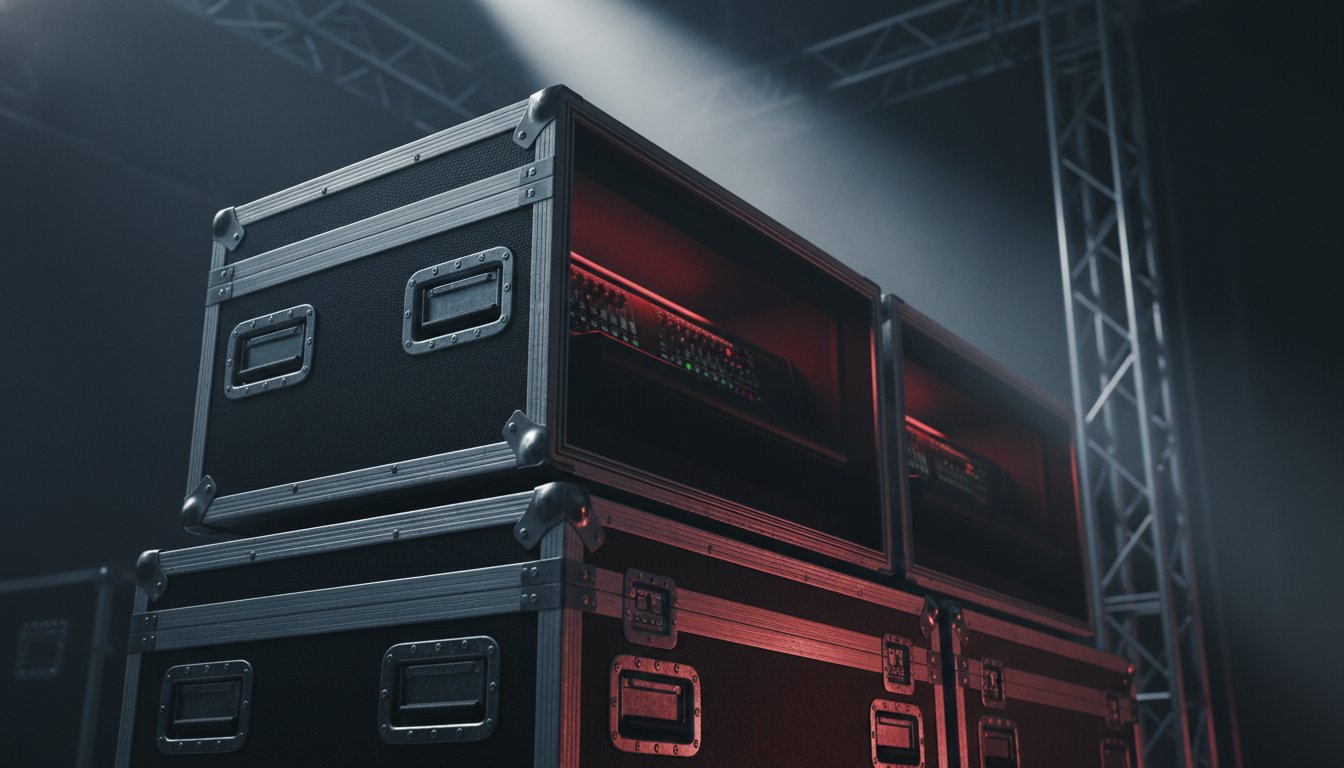
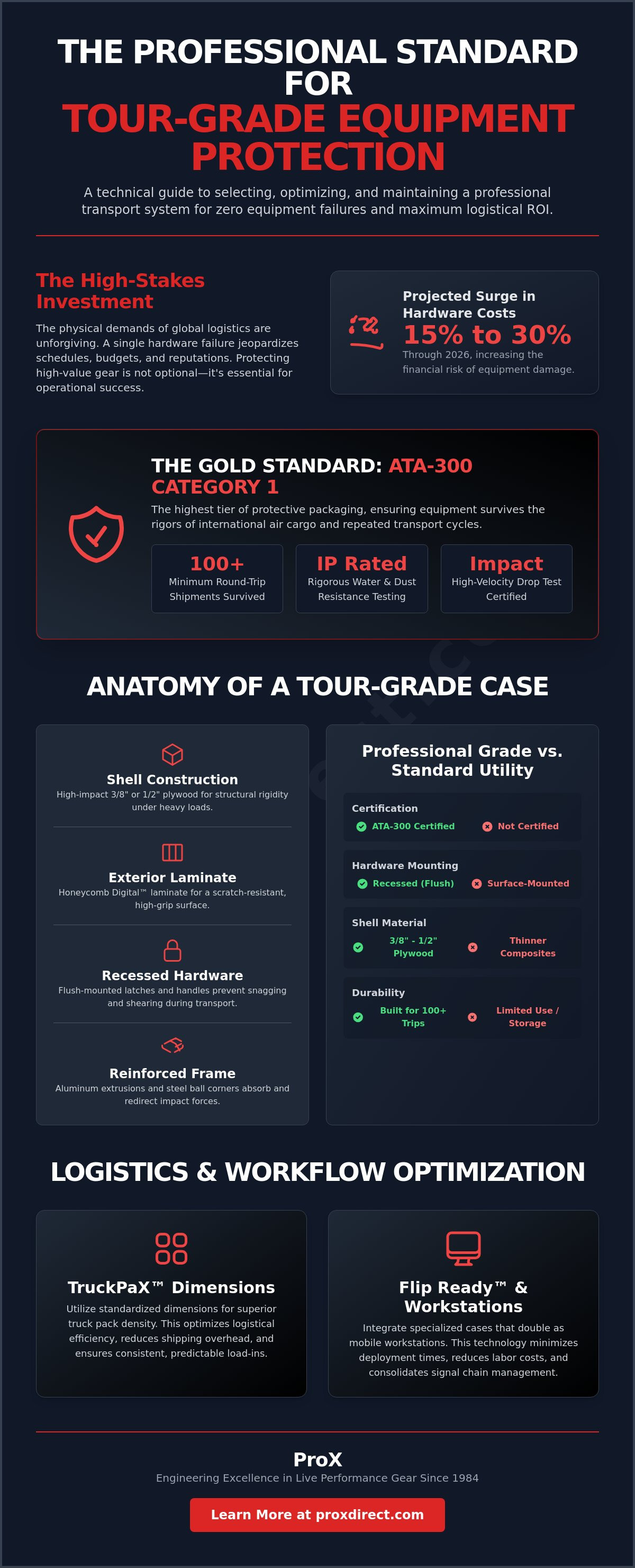
Engineering a professional touring rig is a high-stakes investment where the structural integrity of every flight case determines the operational success of the entire production. You recognize that the physical demands of global logistics are unforgiving. Between the projected 15% to 30% surge in enterprise hardware costs throughout 2026 and stricter IATA weight enforcement, the margin for error in equipment protection has reached an all-time low. A single hardware failure during transit doesn't just damage a component; it jeopardizes the schedule and the bottom line.
This guide provides the technical specifications and logistical strategies required to select, optimize, and maintain a professional transport system that ensures your high-value gear survives the rigors of global touring. You'll learn how to implement standardized dimensions for better truck pack efficiency and how to mitigate the risks of latch or wheel failure through proper maintenance protocols. We'll examine ATA-300 Revision 2020.1 standards and material science to ensure your equipment remains functional and your load-out times remain precise. This is the definitive manual for achieving zero equipment failures and maximizing your logistical ROI.
Key Takeaways
- Identify the specific technical requirements of the ATA-300 Category 1 standard to ensure your equipment meets international transport compliance.
- Evaluate high-performance construction materials, such as 1/2-inch plywood and Honeycomb Digital™ laminates, that define a professional-grade flight case.
- Minimize deployment times and labor costs by integrating specialized Flip Ready™ technology and consolidated signal chain workstations.
- Optimize logistical efficiency and reduce shipping overhead by utilizing standardized TruckPaX™ dimensions for superior truck pack density.
- Leverage European engineering standards from Santosom and ZCASE to protect sensitive broadcasting and production hardware from mechanical stress.
What is a Flight Case? Defining ATA-300 Protection Standards
A What is a Flight Case? is technically defined as a high-impact, reusable shipping container engineered to protect sensitive electronic and mechanical equipment during transit. While industry professionals often use the terms "road case" and "flight case" interchangeably, the distinction typically lies in the certification level and the intended mode of transport. A standard road case might suffice for local ground transportation, but a true flight case must adhere to the ATA Specification 300 (ATA-300) to withstand the high-velocity impacts and pressure changes associated with international air cargo.
The ATA-300 Category 1 standard represents the highest tier of protective packaging. To achieve this certification, a case must be capable of surviving a minimum of 100 round-trip shipments without structural failure. This includes rigorous drop testing and water resistance evaluations. The current Revision 2020.1 updates these protocols to include more weight on electrostatic discharge protection and Category I maintenance. For professionals in live events, broadcasting, and the mobile DJ industry, these specifications aren't optional; they're the baseline for operational security.
In the live events and broadcast sectors, specialized cases act as mobile workstations. They don't just transport gear; they house it during operation. Mixer console cases and AV broadcasting units must facilitate thermal management and cable routing while maintaining the structural integrity required for rapid deployment. This level of functional excellence is what separates a professional transport solution from a generic storage box.
The Evolution of Protective Engineering
Protective transport has transitioned from basic wooden crates to sophisticated mechanical assemblies. Early iterations relied on heavy plywood that was prone to delamination and puncture. Modern engineering, rooted in standards established around 1984, now utilizes advanced materials like Honeycomb Digital™ laminated surfaces. This hexagonal pattern increases structural rigidity while providing a scratch-resistant exterior. The shift toward lightweight thermoplastic composites allows for reduced shipping weight without compromising the protective envelope.
ATA-300 vs. Standard Utility Cases
The difference between a certified flight case and a standard utility case is found in the hardware and assembly tolerances. Professional-grade units utilize 3/8-inch to 1/2-inch plywood shells reinforced with aluminum extrusions and steel ball corners. Standard cases often utilize surface-mounted hardware that shears off under stress. In contrast, tour-grade engineering requires recessed latches and spring-loaded handles that sit flush with the case profile. This design prevents snagging during truck loading and ensures that the hardware remains functional throughout the 100-trip durability cycle.
Anatomy of a Tour-Grade Case: Materials and Hardware
The structural reliability of a tour-grade flight case depends on the mechanical synergy between its shell, hardware, and internal dampening systems. Engineering a case that meets ATA-300 Protection Standards requires a meticulous selection of materials that can withstand shear forces and high-velocity impacts. While aesthetics are secondary to function, the physical attributes of the build directly correlate to the longevity of the equipment housed within a professional flight case.
Structural Integrity and Exterior Laminates
Shell construction typically utilizes 3/8-inch or 1/2-inch plywood. The choice depends on the weight-bearing requirements of the gear. For heavy amplifiers or large-format consoles, 1/2-inch plywood provides the necessary rigid support to prevent structural bowing. Modern manufacturing often incorporates Honeycomb Digital™ signature surfaces. This hexagonal laminate serves two purposes: it creates an ultra-durable, scratch-resistant barrier and provides a tactile grip for safer handling during load-ins. The shell is secured with an aluminum tongue-and-groove valance. This mechanical fit creates a dust-proof and moisture-resistant seal, protecting internal electronics from environmental contaminants.
Heavy-Duty Hardware Specifications
Hardware must be recessed to prevent snags and mechanical failure during tight truck packs. Industrial-grade, 4-inch casters are the industry standard for professional touring. These wheels provide the clearance and durability needed for rough venue floors and loading ramps. Every component, from butterfly latches to spring-loaded handles, is secured using dual-anchor rivets. This fastening method ensures that the hardware remains integrated with the shell even under extreme vibration. Maintaining these components is vital. Periodically cleaning grit from latch mechanisms and inspecting casters for debris can significantly extend the operational life of the unit.
Professional builds also prioritize internal protection. High-density EVA foam is the preferred choice for sensitive electronics because it absorbs kinetic energy without degrading over time. Carpet lining is reserved for less sensitive utility gear where abrasion resistance is the priority. For those seeking replacement components to maintain their existing inventory, ProX Cases Replacement Parts offer the exact specifications required for industrial-grade repairs. This commitment to maintenance ensures that your protection strategy remains effective over hundreds of transit cycles.
Selecting Cases for Specialized Production Workflows
Professional workflows demand more than simple containment. A specialized flight case functions as a mobile infrastructure component that directly impacts the speed and accuracy of a production. Mixer & Rack Combo Cases, for instance, allow engineers to pre-wire outboard gear and consoles into a single, unified signal chain. This eliminates the repetitive patching required at each venue, significantly reducing connector wear and setup errors. By centralizing the workflow, you ensure that the technical performance remains consistent across every date on the tour schedule.
Mobile production for AV and broadcasting requires a similar level of technical integration. AV Broadcasting Cases serve as portable control rooms, often featuring internal rack rails and specialized ventilation for high-heat components. Understanding the Anatomy of a Tour-Grade Case is vital here; the added weight of servers and switchers necessitates reinforced base plates and high-load casters to maintain structural integrity during transit. This engineering precision prevents the shell fatigue that often leads to hardware misalignment.
Flip Ready and ZCASE Innovation
Setup efficiency is redefined by Flip Ready Cases, manufactured by ZCASE in Poland. These units utilize a proprietary hydraulic lift mechanism that enables a single person to transition a large-format console from its transport position to an operating height. This engineering eliminates the need for a traditional four-person lift team. It also reduces the physical strain on technicians during high-pressure load-ins. For unique hardware configurations, ZCASE Custom Build Cases offer bespoke internal bracing and external dimensions, ensuring that non-standard gear receives the same level of protection as mass-produced units.
DJ and Mobile Performer Solutions
DJ and mobile setups require specific ergonomic considerations for Pioneer DJ, Roland, and Rane hardware. Professional controller cases now feature integrated sliding shelving systems to accommodate laptops and performance controllers at an optimal height. For high-visibility stages, the Control Tower DJ Stand combines the structural benefits of a flight case with a professional aesthetic. When the environment becomes a factor, UltronX™ Watertight Cases provide an IP67-rated seal against dust and moisture. This ensures that sensitive control surfaces remain operational even in the most demanding outdoor production settings.
Logistics and Efficiency: Optimizing Your Truck Pack
Operational profitability in professional touring is often determined by the precision of the truck pack. While the mechanical integrity of a flight case protects the gear, its external dimensions dictate the logistical cost of the tour. Inefficient packing leads to "dead air," which increases the number of vehicles required and escalates fuel and labor expenses. For large-scale productions, maximizing cubic volume is a technical necessity rather than a preference. Calculating case density based on standard truck widths is the first step in engineering a cost-effective transport strategy.
Standardizing with TruckPaX™ Dimensions
Engineering cases with standardized footprints allows for high-density loading. TruckPaX™ cases are designed around the 90-inch internal width standard of North American freight trailers. By utilizing exterior widths of 22.5 inches or 45 inches, these units fit perfectly side-by-side. This configuration eliminates lateral movement during transit. Reducing the gap between cases minimizes the vibration and shock transferred to sensitive internal components. When cases are locked into a tight-tolerance grid, the entire load acts as a singular, stable mass. This prevents the shifting that causes latch shear or caster failure during long-haul transport.
- 90-inch width: Accommodates four 22.5-inch cases or two 45-inch cases across.
- 96-inch width: Allows for additional padding or specialized bracing for oversized hardware.
- Vertical Stacking: Utilizing uniform heights ensures a level "second deck" for lighter utility trunks.
Utility Storage and Cable Management
Utility/Storage Cases act as the logistical backbone for miscellaneous hardware like stage truss, base plates, and cabling. Effective cable management within these trunks prevents tangled looms and reduces load-in times. Durable divider systems allow technicians to categorize equipment by department or stage position. To maximize vertical space, professional cases feature stackable wheel cups. These recessed pockets on the lid allow the casters of a top case to lock securely into the unit below. This prevents top-heavy loads from toppling during sudden braking or sharp turns.
Successful multi-city tours rely on meticulous labeling and tracking. Every trunk needs a dedicated zone for tour labels and manifest lists. This ensures the right gear reaches the right stage position without delay. If you're looking to upgrade your logistical fleet with standardized protection, explore our range of TruckPaX™ Truck Pack Cases to optimize your next tour's footprint.
The ProX Advantage: Engineering Excellence Since 1984
Since 1984, the manufacturing philosophy at ProX has prioritized mechanical assembly precision and material science over market trends. This long-term commitment to engineering excellence ensures that every flight case in the inventory functions as a high-performance logistical tool. Professional production houses don't just purchase equipment; they invest in a protection ecosystem that minimizes the total cost of ownership. By adhering to rigorous industrial standards for over four decades, ProX has established a reputation for reliability that scales from individual mobile performers to global touring fleets.
Santosom and ZCASE Partnerships
The collaboration between ProX and world-class European designers represents the current pinnacle of protective engineering. Santosom Cases, engineered in Portugal, utilize high-precision CNC routing and specialized assembly techniques to meet the demands of elite broadcasting and live event teams. Similarly, the partnership with ZCASE in Poland has introduced the industry to Flip Ready hydraulic systems, which have revolutionized console deployment. These partnerships allow for custom engineering services that address bespoke touring requirements that off-the-shelf solutions cannot accommodate. Professional production houses standardize their fleets with these units because they offer predictable performance across diverse logistical environments.
Maintenance and Long-Term Reliability
A professional-grade flight case is an asset designed for decades of service, provided it receives proper mechanical maintenance. The integrity of the protection depends on the functionality of its moving parts. Technicians should regularly clean grit from butterfly latches and apply silicone-based lubricants to caster bearings to ensure smooth operation during rapid load-outs. When hardware eventually shows signs of wear from hundreds of transit cycles, utilizing ProX Cases Replacement Parts allows you to refurbish aging inventory to its original specifications. This modular approach to case longevity ensures that the shell remains viable even as individual components are replaced.
Sourcing these specialized solutions is managed through a global network of professional partners who understand the technical requirements of high-stakes production. These dealers act as consultants, helping you navigate complex specifications to find the right balance of weight, protection, and logistical efficiency. To begin the process of standardizing your production inventory, Find your local ProX dealer to upgrade your protection and ensure your gear is prepared for the physical demands of global touring.
Optimizing Your Global Touring Strategy
Securing high-value production gear requires a shift from viewing transport as a necessity to treating it as a logistical strategy. By prioritizing ATA-300 Category 1 compliance and Honeycomb Digital™ signature protection, you establish a reliable baseline for equipment longevity. Standardizing your fleet with optimized dimensions ensures that every flight case contributes to a faster load-in and a more cost-effective truck pack. These technical decisions directly impact the operational success of your tour.
ProX has provided industrial-grade solutions since 1984, leveraging official partnerships with ZCASE and Santosom to deliver European-engineered precision. Whether you're deploying large-format consoles with Flip Ready technology or managing complex cable looms in utility trunks, the focus remains on structural integrity and long-term reliability. Explore our comprehensive inventory to find the exact specifications for your workflow needs. Browse the ProX Flight Case Catalog and build your next production on a foundation of engineering excellence.
Frequently Asked Questions
What is the difference between a flight case and a road case?
A flight case is specifically engineered to meet ATA-300 standards for air cargo, while a road case is typically designed for ground-based logistics. While the terms are used interchangeably, a certified unit requires specific hardware and shell tolerances to survive the mechanical stress of international shipping. Standard road cases often lack the reinforced ball corners and recessed hardware necessary for high-velocity impact protection required in air transport.
Does ProX offer custom-sized flight cases for specific gear?
Custom engineering services are available through ZCASE Custom Build Cases made in Poland for hardware that requires bespoke internal bracing or non-standard footprints. These solutions address specialized production needs where off-the-shelf inventory cannot provide the necessary mechanical support. Technicians can specify internal foam densities and external hardware configurations to ensure a precise fit for unique broadcasting or stage equipment.
What makes a case 'ATA-300' compliant?
ATA-300 compliance, specifically Category 1, requires a container to survive a minimum of 100 round-trip shipments without structural failure. This standard dictates the use of recessed latches, spring-loaded handles, and specific plywood thicknesses, usually 3/8-inch or 1/2-inch. Testing involves drop simulations and environmental resistance evaluations to ensure the internal equipment remains operational after repeated industrial handling.
How do I maintain the casters and latches on my flight case?
Maintaining casters and latches involves regular debris removal and the application of silicone-based lubricants to all moving mechanical assemblies. Inspect the mounting plates of 4-inch wheels for structural fatigue and ensure butterfly latches retain their tension. Periodically checking dual-anchor rivets for loosening prevents hardware from shearing off during high-vibration transit cycles; this extends the operational life of the unit significantly.
What is Honeycomb Digital™ laminate and why is it better?
Honeycomb Digital™ laminate is a proprietary hexagonal surface pattern designed to provide superior scratch resistance and structural rigidity compared to flat finishes. This design increases the surface area of the protective layer, which helps dissipate impact energy and provides a tactile grip for handling. It's a technical upgrade that maintains the professional appearance of the flight case even after years of heavy touring use.
Can I buy replacement parts for my ProX case if a latch breaks?
ProX Cases Replacement Parts are readily available to ensure your protection systems remain functional for decades. You can source industrial-grade butterfly latches, spring-loaded handles, and steel ball corners through the professional dealer network. Replacing worn components is a standard maintenance practice that preserves the structural integrity of the plywood shell without requiring a full inventory replacement.
What is a Flip Ready case and how does it work?
A Flip Ready case utilizes a hydraulic lift mechanism engineered by ZCASE to allow a single technician to deploy heavy large-format consoles. The system transitions the console from a vertical transport orientation to a horizontal operating position safely. This mechanical advantage eliminates the need for multi-person lifting teams and significantly reduces the risk of hardware damage or workplace injury during the load-in process.
Are ProX cases waterproof or just water-resistant?
Most professional cases are water-resistant due to the aluminum tongue-and-groove valance, but they aren't fully submersible. For environments requiring absolute moisture protection, UltronX™ Watertight Cases provide an IP67-rated seal. These units are engineered for sensitive electronics that must withstand extreme weather conditions; they feature pressure equalization valves to handle the atmospheric changes associated with air travel.
Disclaimer
Any trademarks, trade names or brand names appearing herein that do not belong to ProX are the property of their respective owners and/or companies, and such appearance doesn't and shall not constitute or imply endorsement, sponsorship or recommendation by ProX.


