
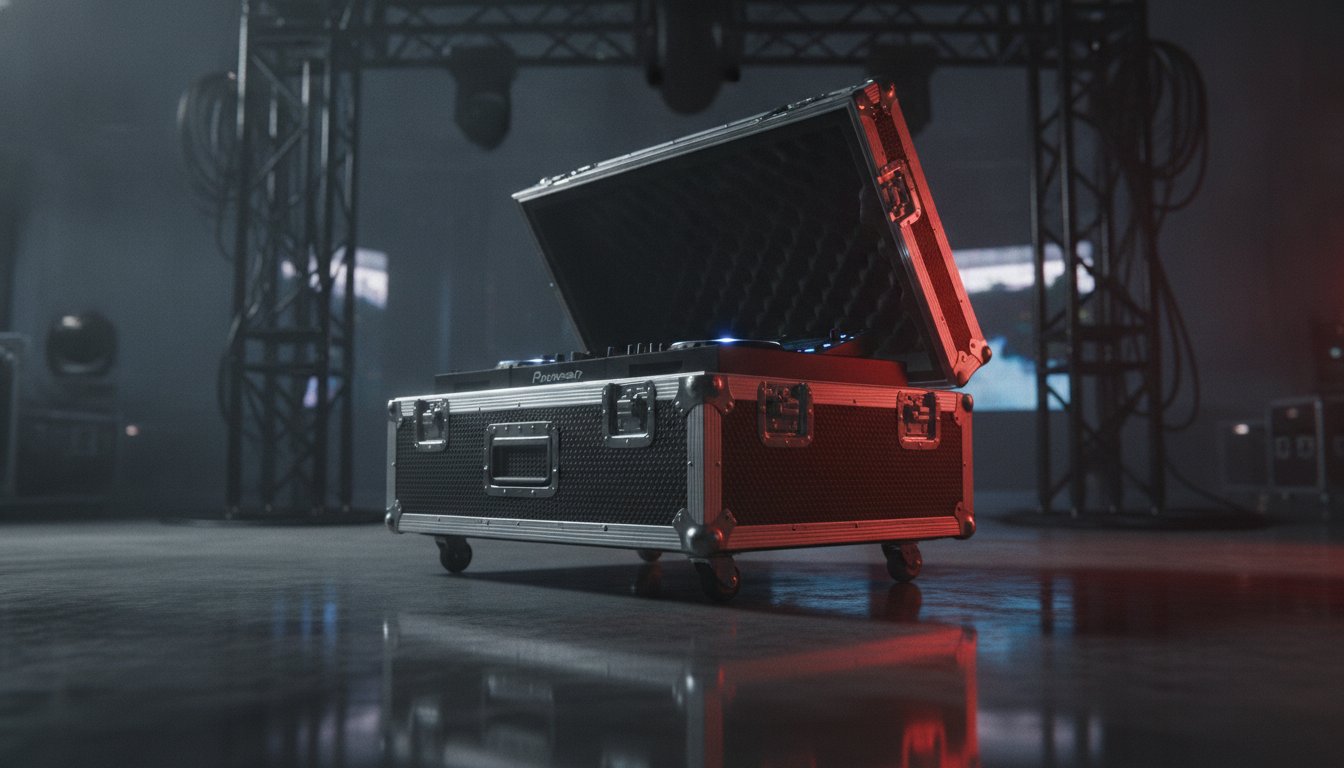
Professional protection for high-value electronics is a strict engineering discipline rather than a simple storage convenience. When selecting a dj road case, you're securing the mechanical integrity of your performance tools against the physical realities of the global touring circuit. With aluminum mill shape prices having increased by 30.5% through 2025, the cost of manufacturing errors has never been higher for industry professionals who prioritize functional excellence and engineering precision.
You understand that the high-stakes environment of live production leaves no room for hardware failure or poorly fitted internal foam. A single compromised latch or insufficient shock absorption can lead to catastrophic equipment damage and lost revenue. This guide provides the technical specifications and material standards required to ensure your gear survives the most demanding transport environments. We will analyze critical benchmarks like the ATA Spec 300 Revision 2020.1, the importance of IEC 60529 ingress protection ratings, and the structural requirements for efficient truck packing and long-term logistical ROI in 2026.
Key Takeaways
- Identify the engineering specifications required to meet international transport standards, ensuring gear survives the physical rigors of global touring.
- Evaluate material grades and technical features, including the structural benefits of specific plywood thicknesses and honeycomb digital laminates for high-impact protection.
- Select the correct dj road case architecture by comparing the cable management benefits of integrated workstations against individual component housings.
- Establish a formal maintenance routine to inspect hardware integrity and internal foam compression, preventing equipment failure before it occurs in the field.
- Optimize logistical workflows by utilizing standardized case dimensions that maximize truck density and improve long-term hardware ROI.
Understanding Professional Protection Standards for Mobile DJ Gear
In professional AV logistics, a Road Case functions as a critical structural component rather than a simple storage container. The primary objective is to maintain the mechanical and electronic calibration of sensitive equipment through rigorous transport cycles. While consumer-grade storage focuses on lightweight portability, industrial-grade engineering prioritizes structural integrity and impact dissipation. For the professional, the cost of equipment failure during a performance far outweighs the initial investment in high-specification protection. Selecting a high-quality dj road case is a strategic decision to mitigate logistical risks and ensure consistent operational uptime. Engineering precision in the housing shell prevents the physical degradation that occurs when gear is subjected to constant vibration and shifting during long-haul transport.
The ATA-300 Category 1 Standard
The ATA Specification 300, specifically Revision 2020.1, establishes the benchmark for professional shipping containers used in the global production industry. Category 1 containers are engineered to withstand a minimum of 100 round-trip shipments under extreme conditions. This standard requires the use of recessed hardware, such as spring-loaded handles and butterfly latches, to prevent shearing during automated sorting or heavy truck loading. Impact resistance is verified through rigorous drop testing and puncture resistance assessments on the plywood panels. These specifications ensure that the housing remains intact even when subjected to the mechanical stresses of international air transit and heavy-duty logistics. Professionals rely on these standards to guarantee that their investment remains protected across multiple years of intensive touring.
Static vs. Dynamic Load Protection
Professional protection requires an understanding of both static and dynamic forces. Static load refers to the stacking pressure exerted on a case when it sits at the bottom of a fully loaded production truck. High-grade plywood and aluminum extrusions must prevent the shell from deforming under this constant weight, which can often exceed several hundred pounds in a tight pack. Dynamic load protection is the ability to neutralize G-forces during transit. When a case experiences a sudden drop or shift, the internal foam must absorb and dissipate kinetic energy before it reaches the internal components. This prevents internal circuitry from fracturing or knobs from shearing off due to vibration or impact. You can find a wide range of these engineered solutions in the ProX Cases catalog, where each unit is built to these rigorous industrial standards to facilitate zero-failure performance.
Material Science: Plywood, Hardware, and Laminate Specifications
Professional dj road case construction is defined by the selection of industrial-grade materials that withstand repetitive mechanical stress. The core of any high-performance enclosure is the plywood grade. Manufacturers typically utilize 3/8 inch (9mm) or 1/2 inch (12mm) plywood depending on the weight of the internal components. Standard controllers and media players are often housed in 3/8 inch panels to optimize weight without sacrificing structural integrity. However, large-format mixer consoles and heavy rack units require 1/2 inch panels to prevent structural bowing under high static loads. For those seeking maximum durability, exploring the ProX Cases inventory reveals how these material thicknesses are applied across different gear categories.
Hardware metallurgy is equally critical for long-term ROI. Professional cases utilize heavy-duty steel ball corners to dissipate impact energy away from the plywood joints. These components are typically finished with zinc plating to provide a robust barrier against oxidation and corrosion in high-humidity environments. Latches and handles must be recessed to avoid shearing during transport. The internal protection is provided by varying foam densities. Ethylene-vinyl acetate (EVA) foam is used for high-impact support at the corners; meanwhile, softer Ester foam provides a non-abrasive cushion for sensitive surfaces and screens.
Structural Reinforcements and Extrusions
The integrity of the seal depends on aluminum tongue-and-groove valances. These extrusions ensure that the lid and base align perfectly every time, providing a barrier against moisture and dust ingress. Fastening these components requires dual-anchor rivets. Unlike single-point fasteners, dual-anchor systems distribute shear forces across a larger surface area, preventing hardware from loosening over time. Mobile workstations also require reinforced caster boards, often constructed from 3/4 inch high-density plywood, to support the dynamic loads encountered during load-in and load-out.
Advanced Exterior Finishes
Professional aesthetics must be maintained through years of rigorous use. The Honeycomb Digital™ surface pattern provides a scratch-resistant exterior that conceals scuffs and abrasions. This hexagonal laminate design also adds a layer of torsional rigidity to the plywood panels. Thermal stability is another engineering priority. Professional-grade adhesives ensure that laminates don't delaminate when gear is stored in unconditioned containers where temperatures can fluctuate significantly. This focus on material science ensures that every dj road case remains a reliable asset throughout its operational lifespan.
Comparing Case Architectures: Controllers, Mixers, and Turntables
Case architecture is a direct reflection of the hardware's operational requirements and logistical footprint. While a modular approach uses individual component housings for mixers and players, integrated console cases consolidate the entire performance interface into a single unit. This choice impacts everything from setup speed to truck pack efficiency. A high-specification dj road case for a large-format controller must account for integrated cable looms and power distribution, requiring dedicated internal clearance that modular housings often lack. Proper weight distribution is also a primary engineering concern; heavy turntable setups require reinforced base plates to prevent chassis torque during transport.
Thermal management is a critical factor for high-performance mixers and amplifiers. Enclosed spaces can trap heat, leading to thermal throttling or component failure. Professional architectures incorporate ventilation gaps or passive cooling paths to ensure stable operating temperatures during extended use. This focus on functional excellence distinguishes professional enclosures from generic storage solutions. Precision engineering ensures that airflow is maintained without compromising the structural integrity of the shell or the ingress protection of the unit.
Controller and Mixer Specific Configurations
Integrated workstations often feature sliding laptop shelves engineered with high-tension rails to ensure stability during performance. These mechanisms must withstand the downward force of a heavy laptop without slipping or vibrating. Accessibility is another priority; removable front or rear panels allow for immediate connection to headphone jacks, faders, and I/O ports without removing the gear from the protective shell. Internal foam is precision-cut to match the specific chassis dimensions of industry-standard hardware from manufacturers like Pioneer DJ and Roland, ensuring a zero-tolerance fit that prevents lateral movement during high-vibration transit.
Specialized Housing for Fragile Components
Turntables present unique engineering challenges due to the sensitivity of platter bearings and tonearm assemblies. Specialized housings utilize high-density foam blocks to immobilize the platter, preventing vertical displacement that could damage the bearing housing. Shock-mounting techniques are also employed for delicate electronic interfaces, utilizing isolated foam inserts to decouple the equipment from the outer shell. You can explore the ProX Cases category for standardized component fits that address these specific mechanical vulnerabilities. These architectures ensure that even the most fragile components remain calibrated through the most rigorous touring schedules.

The Essential Maintenance and Inspection Checklist for Touring Gear
The operational lifespan of a dj road case depends on a rigorous maintenance schedule. Professional production environments place extreme mechanical stress on enclosures. It's a mandatory logistical requirement to perform pre-tour inspections to prevent hardware failure in the field. This protocol begins with a comprehensive audit of all mechanical components. Butterfly latches and spring-loaded handles are the primary points of failure under heavy use. You must verify that latches engage with a positive mechanical lock. Check for shearing or misalignment in the aluminum tongue-and-groove valances. If the seal isn't airtight, moisture and dust ingress will eventually damage internal circuitry.
Inspect the plywood panels for signs of structural fatigue. Look for delamination at the edges or hairline fractures in the aluminum extrusions. These signs indicate the material has reached its fatigue limit from repetitive stacking or high-G impacts. If structural components are compromised, you can find necessary ProX Cases replacement parts to restore the unit's structural integrity before the next deployment. Maintaining these standards ensures that the case continues to meet the engineering specifications required for global logistics.
Hardware and Rivet Maintenance
Loose rivets are a precursor to catastrophic failure. A single loose fastener increases the vibration load on surrounding rivets, which leads to structural instability. Inspect all dual-anchor rivets for movement. Use a dry silicone-based lubricant on hinges and latch mechanisms to ensure smooth operation. This prevents seizing without attracting the grit found in loading docks. Damaged steel ball corners must be replaced immediately. If they aren't intact, you risk compromising stacking safety in the truck pack.
Sanitization and Foam Care
Professional aesthetics require regular sanitization of the Honeycomb Digital™ laminates using non-abrasive cleaning agents. Foam care is equally vital for protecting internal components. Check for "compression set," where the foam no longer rebounds to its original shape. Compressed foam loses its ability to decelerate impacts, necessitating replacement. Mold and mildew prevention requires ensuring the interior is completely dry before sealing the case for long-term storage. A well-maintained interior is as critical as the outer shell for ensuring zero-failure performance.
ProX Engineering: Precision-Built Solutions for Global Logistics
ProX Engineering represents the intersection of material science and logistical optimization. The partnership with Santosom Cases brings European engineering standards to the global touring circuit. This collaboration ensures that every dj road case meets the rigorous demands of professional production. Beyond standard models, ZCASE custom builds from Poland provide bespoke solutions for complex workstation requirements. This engineering philosophy prioritizes functional excellence over aesthetic trends, providing a reliable backbone for the industry.
Logistics and Truck Pack Efficiency
Truck pack efficiency is a critical variable in professional AV logistics. TruckPaX™ cases utilize standardized dimensions designed to maximize truck density. This reduces transport costs by eliminating empty volume in the load. Uniform stacking is essential for load stability. It prevents shifting that causes mechanical stress on the enclosures during high-vibration transit. For specialized needs, you can learn about AV Broadcasting Cases designed for mobile production environments. These units facilitate rapid deployment and secure transport for complex broadcasting arrays.
Extreme Environment Protection
Outdoor festivals and coastal events present unique environmental challenges. UltronX™ watertight technology provides a high-specification barrier against dust, moisture, and salt spray. These watertight cases utilize reinforced polymer shells and pressure equalization valves to protect sensitive electronics in extreme conditions. This level of protection is vital for maintaining the calibration of high-value gear in high-humidity or high-dust festival environments. Sustainability is achieved through durability. High-quality engineering ensures a long-term ROI by reducing the frequency of hardware replacement and preventing equipment downtime.
Comprehensive event builds require seamless integration between transport housing and structural support. ProX designs cases that interface directly with ProX Truss and staging systems. This ecosystem approach ensures that from the truck to the stage, the equipment remains secured and the workflow remains efficient. Whether deploying a single dj road case or a full-scale touring rig, the focus remains on engineering precision and professional reliability.
Securing Operational Uptime Through Engineered Protection
Engineering a zero-failure touring environment requires a commitment to technical standards and material integrity. Prioritizing high-density plywood, recessed hardware, and specific foam densities ensures equipment remains calibrated through rigorous global logistics. Adhering to the ATA-300 Category 1 benchmark is essential for professionals aiming for long-term ROI. Integrating these standards with logistics-optimized dimensions will maximize truck density and reduce transport overhead in 2026.
Selecting a high-specification dj road case is a strategic investment in your professional reputation. ProX has been engineering performance gear since 1984. We provide the industrial-grade solutions required by professionals using Pioneer DJ, QSC, and Roland hardware. Our global dealer network ensures you have access to technical support and replacement parts wherever your tour takes you. This established infrastructure provides the reliability needed for high-stakes production environments.
Browse the full ProX Professional Case Catalog to identify the precision-built solutions required for your next production. Secure your inventory today to ensure operational excellence on every stage.
Frequently Asked Questions
What is the difference between a standard storage box and a professional road case?
A professional dj road case is engineered with industrial-grade materials like 3/8 inch or 1/2 inch plywood and aluminum extrusions, whereas standard storage boxes typically utilize thin plastics or untreated wood. Professional enclosures prioritize mechanical integrity and impact dissipation through specialized hardware. They feature recessed butterfly latches and tongue-and-groove valances to ensure a secure, moisture-resistant seal that consumer-grade storage lacks.
Does my DJ equipment need an ATA-300 rated case for domestic travel?
Yes, an ATA-300 Category 1 rating is the industry standard for any equipment subjected to the rigors of professional transport. Even during domestic travel, gear faces significant G-forces and stacking pressure in production trucks. This specification guarantees the housing can withstand at least 100 round-trip shipments. It protects your investment from the physical stresses encountered during frequent loading and unloading cycles.
How do I know if my DJ controller will fit in a universal case?
Verification requires comparing the exact chassis dimensions of your controller with the internal clearance listed in the case specifications. Professional universal cases often include adjustable foam inserts to accommodate various hardware profiles. You must ensure a zero-tolerance fit to prevent lateral movement during transit. Shifting gear is a primary cause of internal component failure and mechanical degradation.
What is the benefit of a honeycomb laminate over a smooth finish?
Honeycomb Digital™ laminates provide superior scratch resistance and increased torsional rigidity compared to smooth finishes. The hexagonal pattern effectively conceals scuffs and abrasions that occur during truck loading and handling. This technical surface also improves the panel's resistance to impact. It maintains a professional appearance over years of intensive touring while providing an extra layer of structural protection.
How often should I inspect my cases for structural damage?
Formal inspections should occur before and after every tour or major production cycle. You must check for loose rivets, compressed foam, and compromised aluminum valances. Regular audits allow you to identify structural fatigue early. This prevents catastrophic hardware failure in the field. Identifying these issues during a pre-tour check is vital for maintaining zero-failure performance standards in high-stakes environments.
Can I replace individual parts like latches or wheels on my ProX case?
Yes, ProX provides a comprehensive range of replacement parts to extend the operational lifespan of your enclosure. Components such as butterfly latches, spring-loaded handles, and heavy-duty casters are designed for field replacement. Utilizing these parts ensures the unit continues to meet its original engineering specifications. It's a cost-effective way to maintain hardware integrity without requiring the purchase of an entirely new housing system.
What foam density is best for protecting heavy DJ mixers?
High-density Ethylene-vinyl acetate (EVA) foam is the preferred choice for supporting heavy mixer consoles. EVA foam provides the necessary structural support at the corners to prevent the chassis from shifting under its own weight. Softer Ester foam is often used for top-down cushioning. This protects faders and knobs without exerting excessive pressure on sensitive electronic components or interface screens.
Why are recessed handles and latches preferred for professional touring?
Recessed hardware prevents mechanical components from being sheared off during automated sorting or tight truck packing. By sitting flush with the plywood surface, these latches and handles allow for uniform stacking and maximize truck density. This design choice is a logistical necessity for professional crews. They require stable, high-density loads to reduce transport costs and improve overall safety during transit.
Disclaimer
Any trademarks, trade names or brand names appearing herein that do not belong to ProX are the property of their respective owners and/or companies, and such appearance doesn't and shall not constitute or imply endorsement, sponsorship or recommendation by ProX.


